



Working alone
The tab is open. The work is not.
The task is clear and the room is empty. Empty hours are easy to leave. Six o'clock arrives with the quiet sense you could have done more.
95 is people supporting people. This is Focus Together, the same room as our Virtual Coworking. You name the habit or the goal. Other people are in the room, on theirs.
What it is
A Body Doubling App is somewhere to do your own task beside someone else. They are company for the hour. If starting is the hard part, the room is there for that first minute. You do not have to explain why. People with ADHD popularised the idea, because an empty hour is a hard place to start. It works the same way for anyone whose day slips when nobody else is in it.
A body double does the sitting-with-you part. They do not write the paragraph, answer the inbox, or run the session for you.
Everyone in the room is on their own work. The shared thing is the hour, and the fact that someone else is still in it.
On 95, virtual body doubling lives in Focus Together. You open it, name the session, and work.
How 95 works
95 works as a Body Doubling App by making the next session a room you can enter. Focus Together is that room, the same one as Virtual Coworking. Name the habit or the goal, then stay until the session ends.
The chapter, the training session, the inbox, the set. One sentence. If it needs a plan, it is not ready for the timer yet.
Focus Together shows a photo and a working status. You can see the room is real. They can see you are in the session.
Pick 15, 25, or 50 minutes. Your timer starts when you join. Other people are already on theirs.
When your time is up, you can keep going or leave. The habit stays visible to followers if you share the check-in, on the days that are not a session.
Procrastination
Most lost work is a start you postponed. Virtual body doubling changes the room that start happens in. The task was never the mystery. The empty chair beside it was.
Working alone
The task is clear and the room is empty. Empty hours are easy to leave. Six o'clock arrives with the quiet sense you could have done more.
Body doubling
You named the session. Other people are in theirs. The timer has an edge, and the room is still working if you wander off.
Other people are already in their sessions. Opening yours is the natural next move, which is the moment procrastination usually wins.
A named outcome and a visible timer give the session a beginning and an end. Vague afternoons are what get postponed.
Another tab is easy in an empty room. In Focus Together, wandering off means leaving people who are still working.
Virtual body doubling gets the session done. Social habit tracking is how the same habit stays visible for the rest of the week.
"I'm finding 95 so useful as I have a habit of procrastinating. Being a sole-trader business owner can be difficult when you've got nobody to be accountable to."
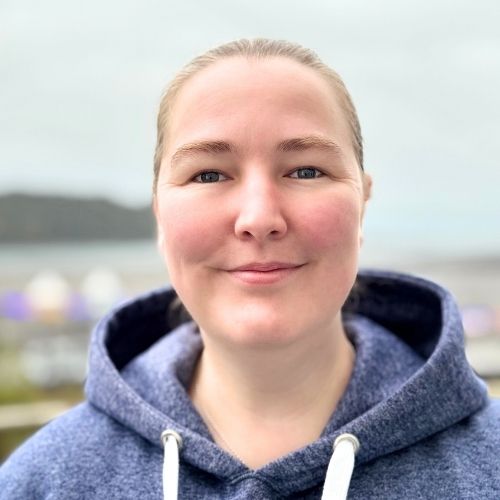 LisaBusiness owner
Open Focus Together, name the work, and sit the pomodoro with people who are already in it.
Start as you are
A lot of body doubling apps ask you to be on video. That turns the hour into a small performance, and a performance is another reason to wait. Focus Together asks you to be in the work. You see a photo and a status. That is enough to know the room is real.
You can begin in the clothes you have on, at the desk you already have. Getting camera-ready is a delay disguised as preparation.
There is no welcome, no introduction, and no agenda. You arrive, you work, and you leave the session done.
A photo and a working status are enough to know a real person is in the hour with you.
A kitchen, a café, a shared house, a messy office. The session does not depend on a quiet background or a flattering light.
The room
Focus Together is the body doubling room inside 95. It is also virtual co-working: the same hour, for people who went looking for a room of others working. You do not book a seat. You join the people who are already there.
Each person has a photo, a name, and the work they are in. Status stays on “working” for the length of their session.
A pomodoro runs in the open. Yours is yours. Theirs is theirs. The room shares the fact that the clocks are going.
An optional photo shows you sat down. Share it with the room, keep it private, or skip. There is no photo at the end.
No host opens the session. You do not book a stranger, turn a microphone on, or join a chat. People can clap. That is the noise.
Other apps
Focusmate, Flow Club and 95 are all body doubling. They disagree about what the other person is, and about what you have to do before you are allowed to work.
 Quiet room
Open Focus Together. Pick 15, 25, or 50 minutes, and start. After the session, followers can see the habit if you share it.
7 days free, then £9 a month or £39.99 a year
You want company for the work, and you want to begin this hour.
Start 7 days free One person on video
Book a time with one stranger. Say what you will do, work on camera, and check in when the call ends.
3 free sessions a week, then about $8 a month billed yearly
Being seen on a video call is the thing that gets you started.
 Hosted group
A host welcomes a small group. You name the task, work the session, and report back.
About $40 a month after a free trial
You want a person to open the room, and you will say the task out loud.
FLOWN and Caveday are hosted rooms. Gather is a virtual office for a team. The full table, with prices and the places each one wins, is on the comparison of co-working apps.
Get started
The first session needs an account and one sentence. Followers can see the habit after you have finished a session, if you share it.
A minute
Join 95 on the web, or download the iOS or Android app. Focus Together is open for the first 7 days.
One sentence
Open the room and say what this pomodoro is for. One outcome. The chapter, the session, the inbox, the set.
25 minutes
Start the timer beside people who are already working. When it ends, the session is done.
Focus Together is part of Premium, and the trial is how you open it. Cancel any time. The free plan remains: one goal, habits, and followers who can see the check-in. Premium keeps the room, unlimited goals, and a fuller history.
A body doubling app is a place to do your own work beside other people. They are not doing the task for you. Their presence makes it easier to start and harder to drift. It can be a shared desk, a video call, or a quiet online room. The term comes from the ADHD community, and the same presence helps anyone whose day slips when they are working alone. On 95, the body doubling app is Focus Together.
You name one outcome, join Focus Together, and pick 15, 25, or 50 minutes beside people who are already working. You see a name, a task, and an optional photo. There is no chat, and nobody asks you to introduce yourself. After the session, followers can see the habit if you share the check-in.
Procrastination is often a start problem. The task is clear, and the room is empty, so the hour is easy to leave. Virtual body doubling puts other people in that hour. You have named the session, the timer has an edge, and wandering off means leaving a room that is still working. A commitment someone else can see is finished far more often than a promise you only owe yourself. Often quoted figures put follow-through near 35% alone, and over 95% when you commit to someone and report progress. Results differ.
The room is a name, a task, and an optional photo, which is enough to know someone is really there. Focus Together does not ask for a microphone or an introduction. Focusmate requires a camera. Caveday runs on Zoom with cameras on. Flow Club’s usual sessions use video, with chat-only options if you want a host and a quiet mic.
Open the room, name the session in one sentence, and pick 15, 25, or 50 minutes. Your clock starts when you join. You see who is focusing now, and anyone who left in the last 24 hours. An optional photo shows you sat down. There is no host, no booking, and no chat. You arrive, you work, and you leave when you are done.
Focusmate is a booked video call with one stranger, camera on. Flow Club is a hosted group: someone welcomes you, you name the task, and you report back, at about $40 a month. 95 is a quiet room you can enter and start, with your own clock. You see a photo and a working status, then a habit followers can see on the days that are not a session. Premium is £9 a month or £39.99 a year after 7 days free. FLOWN and Caveday are other hosted rooms. Gather is a virtual office for a team.
Create a 95 account, open Focus Together, and name the session. The first session is 15, 25, or 50 minutes beside people who are working. Focus Together is included for 7 days. After that, Premium keeps the room open at £9 a month or £39.99 for the year. Cancel any time. The free plan stays free: one goal, habits, and followers who can see the check-in.
Anyone working alone can use it. Body doubling was popularised by people with ADHD, because an empty room is a hard place to start. The same presence helps founders, students, freelancers, and anyone working from home. 95 is the room for the next session, and social habit tracking for the rest of the week.
A body doubling app you can open today. Focus Together for 7 days free, then Premium if you want the room to stay open.